Best Age to Start Preschool: What Every Parent Should Know
One of the most common questions parents ask is, “What is the right age to start preschool?” Every child develops at their own pace, and there is no one-size-fits-all answer. However, understanding the benefits of early childhood education and recognizing your child’s readiness can help you make the best decision.
Preschool is often a child’s first structured learning experience outside the home. It provides opportunities to develop social, emotional, physical, and cognitive skills that build a strong foundation for future learning.
Many parents searching for the best preschool in India often wonder when their child should begin their preschool journey. While age is an important factor, choosing a nurturing learning environment and understanding the preschool admission process are equally important for ensuring a positive start to early childhood education.
What Is the Ideal Age to Start Preschool?
Most children begin preschool between the ages of 2 and 4 years. The ideal age depends on a child’s developmental readiness, personality, and ability to adapt to a group learning environment.
Some children are ready to start as early as two years old, while others may benefit from waiting until they are closer to three or four. Rather than focusing solely on age, parents should observe their child’s overall development and readiness.
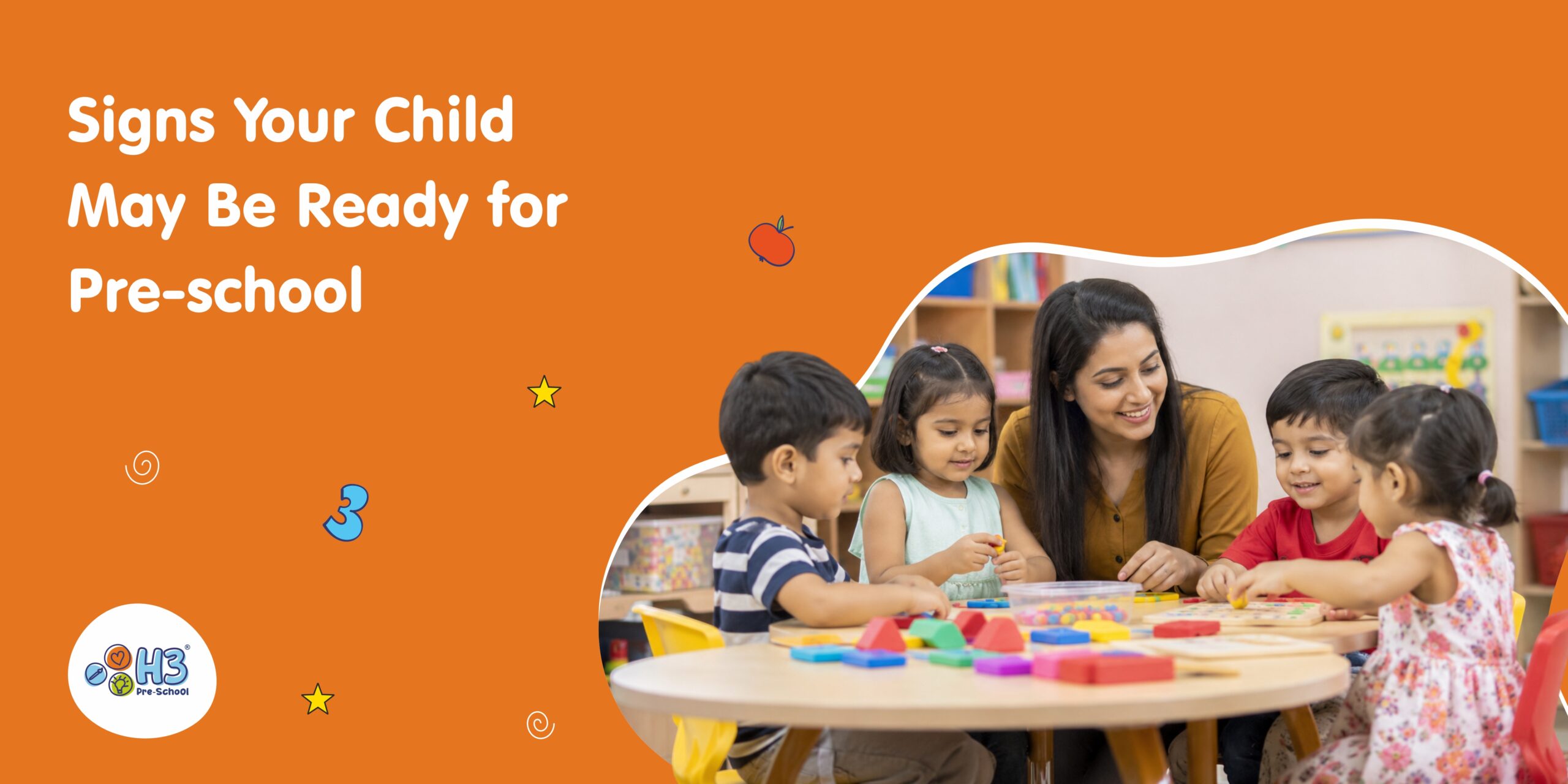
Signs Your Child May Be Ready for Preschool
Every child is unique, but there are several common indicators that suggest preschool readiness.
1. Ability to Follow Simple Instructions
Children who can understand and follow basic instructions such as “sit down,” “put your toys away,” or “come here” often adapt more easily to a preschool environment.
2. Interest in Social Interaction
If your child enjoys playing with other children, sharing toys, or participating in group activities, they may be ready to benefit from the social experiences preschool provides.
3. Basic Independence
Simple self-help skills such as washing hands, eating independently, or carrying out small tasks can help children feel more confident in a preschool setting.
4. Curiosity and Willingness to Explore
Children who frequently ask questions, show interest in new experiences, and enjoy exploring their surroundings often thrive in preschool environments that encourage discovery and creativity.
Benefits of Starting Preschool at the Right Age
Starting preschool at the appropriate time can have a positive impact on a child’s overall development.
Social Development
Preschool helps children learn how to communicate, cooperate, share, and build friendships. These early social interactions play an important role in developing confidence and emotional intelligence.
Emotional Growth
Being part of a nurturing learning environment helps children develop resilience, independence, and self-confidence while learning to manage their emotions appropriately.
Language and Communication Skills
Through storytelling, conversations, songs, and interactive activities, children expand their vocabulary and improve communication skills.
Cognitive Development
Preschool introduces children to age-appropriate learning experiences that encourage critical thinking, problem-solving, creativity, and curiosity.
School Readiness
Children who attend preschool often develop routines, listening skills, and learning habits that help them transition smoothly into formal schooling.
Is Starting Preschool Earlier Always Better?
Not necessarily.
Every child develops differently. Some children are comfortable interacting with others and adapting to new environments at an early age, while others may need more time.
Parents should avoid comparing their child with others and instead focus on individual readiness. The goal is not to start early but to start when the child is emotionally, socially, and developmentally prepared.
How Parents Can Prepare Their Child for Preschool
The transition to preschool can be smoother when parents gradually prepare their child.
Here are a few helpful tips:
- Establish a consistent daily routine.
- Encourage independent play and simple responsibilities.
- Read books together regularly.
- Arrange playdates to promote social interaction.
- Visit the preschool before the first day.
- Talk positively about the preschool experience.
These small steps can help children feel comfortable and excited about beginning their learning journey.
Why Choosing the Right Preschool Matters
The age at which a child starts preschool is important, but equally important is selecting the right learning environment.
Parents should look beyond academics and focus on preschool programs that encourage holistic development. A quality preschool helps children build confidence, social skills, creativity, and a lifelong love for learning, making the preschool admission decision one of the most valuable investments in a child’s future.
When evaluating preschool admission options, parents should consider:
- Safe and hygienic facilities
- Qualified and caring educators
- Age-appropriate curriculum
- Child-friendly learning spaces
- Strong parent-school communication
- Opportunities for holistic development
A nurturing preschool environment helps children develop confidence, curiosity, creativity, and a lifelong love for learning.
Preschool Admission: What Parents Should Know
Many preschools have specific admission timelines and age criteria. It is helpful for parents to begin researching preschool admission requirements well in advance.
Before completing the admission process, parents should:
- Visit the preschool campus
- Meet teachers and staff
- Understand the curriculum
- Review safety policies
- Learn about daily routines and activities
- Clarify communication methods with parents
Taking these steps helps families make informed decisions and find the right preschool environment for their child.
Final Thoughts
The best age to start preschool is when a child demonstrates readiness and can benefit from a structured yet nurturing learning environment. While many children begin between the ages of 2 and 4, every child’s journey is unique.
As parents explore preschool admission options, it is important to remember that readiness varies from child to child. The best preschool in India is not simply the one with the earliest admission age, but the one that provides a safe, engaging, and development-focused environment where children can thrive.
By observing your child’s development and choosing a preschool that supports holistic growth, parents can ensure a positive and rewarding start to their educational journey.
Frequently Asked Questions
Q.1 What is the best age for preschool admission?
Most children begin preschool between the ages of 2 and 4 years, depending on their developmental readiness and individual needs.
Q.2 How do parents know when their child is ready for preschool?
Children who show curiosity, social interest, basic independence, and the ability to follow simple instructions are often ready for preschool.
Q.3 What should parents consider before preschool admission?
Parents should evaluate the curriculum, safety standards, teacher qualifications, learning environment, and overall approach to child development.
Q.4 Why is early childhood education important?
Early childhood education helps children develop social, emotional, cognitive, language, and problem-solving skills that support future learning success.
Q.5 How can parents prepare their child for the first day of preschool?
Parents can establish routines, encourage social interaction, visit the preschool beforehand, and talk positively about the new learning experience.
Reviewed By
Mr. Rinkukumar N. Vyas
Chief Operating Officer, H3 Preschool
With extensive experience in educational operations and child-centric learning environments, Mr. Vyas helps ensure that H3 Preschool maintains high standards in early childhood education and student development.