Should a Preschool Curriculum Always Include Plenty of Worksheets?
When parents think about their child’s early education, worksheets often feel like a sign of learning. A notebook filled with activities, tracing sheets, and colourful exercises can make it seem like a child is learning something new every day. But is a preschool curriculum truly effective only when it includes plenty of worksheets?
The answer is no. At the preschool stage, children learn best when they can explore, experience, ask questions, and learn through play.
At H3 Preschool, we believe that early learning is about building a strong foundation, not just completing pages.
Learning Is More Than Putting Pencil to Paper
Preschool is a time when children are discovering the world around them. They are learning to identify colours, recognise shapes, understand numbers, develop language, and interact with others. These skills do not always need a worksheet to take shape.
For instance, a child can learn counting by arranging blocks, sorting toys, or counting steps while walking. Recognising colours becomes more exciting when children explore colourful objects, paint, or play with everyday materials.
These hands-on experiences help children understand concepts in a meaningful way. Instead of simply memorising answers, they begin to understand how things work.
What Do Worksheets Actually Teach?
Worksheets certainly have a place in preschool education. Simple tracing activities, matching exercises, and age-appropriate paper-based tasks can help children practise what they have learnt.
They can also support early writing skills, hand-eye coordination, pencil control, and familiarity with letters and numbers.
However, worksheets are most effective when they complement learning rather than become the main method of teaching. Giving children too many worksheets before they are developmentally ready may make learning feel repetitive and reduce opportunities for exploration.
The goal is not to finish more pages. It is to help children understand what they are learning.
Why Play-Based Learning Matters
For young children, play is much more than a way to spend time. It is one of the most natural ways to learn.
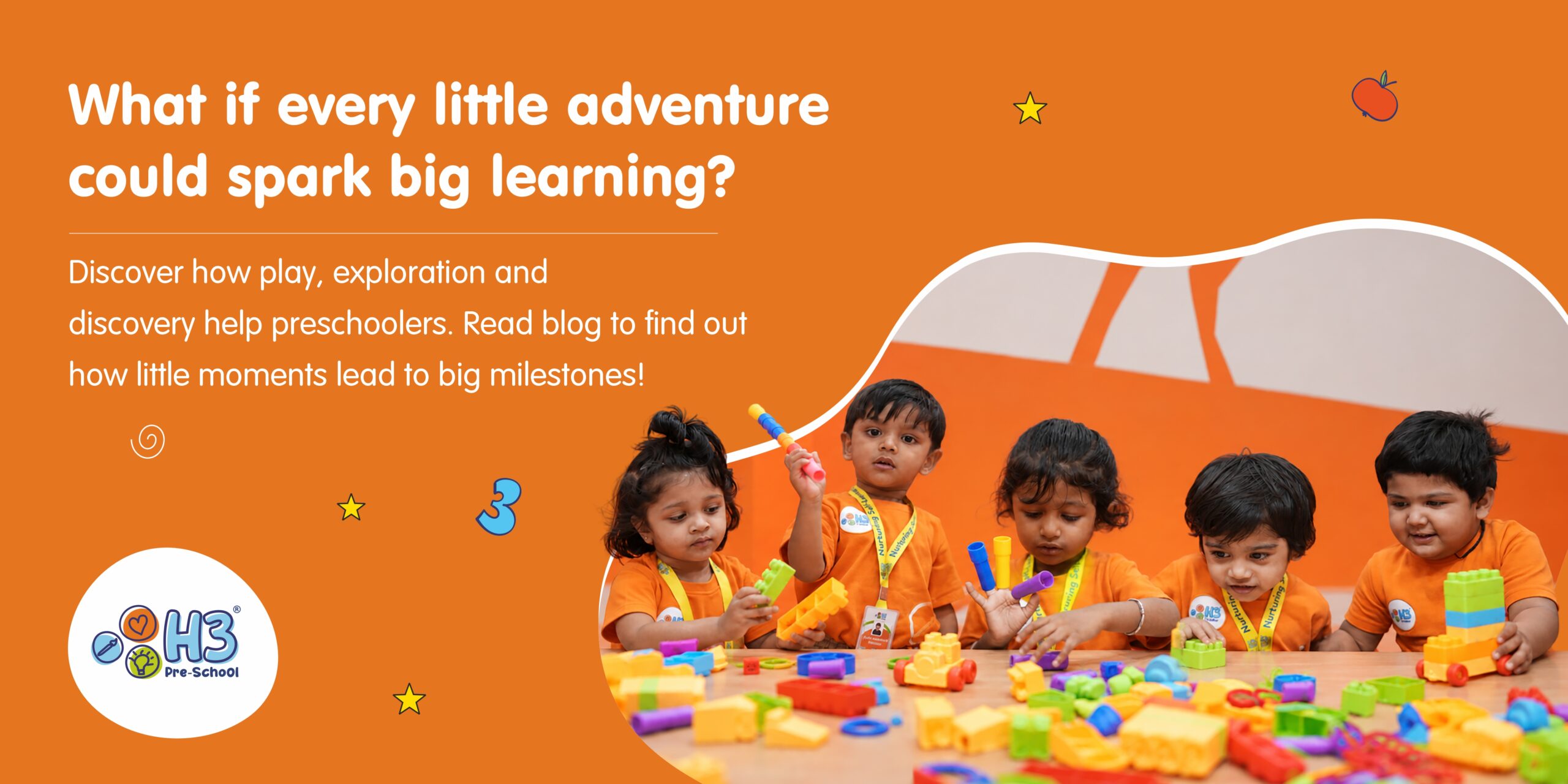
When children build with blocks, they explore shapes, balance, and problem-solving. When they participate in pretend play, they develop imagination, communication, and social skills. When they sing rhymes, listen to stories, or take part in movement activities, they build language, memory, coordination, and confidence.
These experiences also give children opportunities to make choices, express their thoughts, and learn from small mistakes.
Most importantly, play-based learning allows children to learn at a pace that suits their individual needs.
A Balanced Curriculum Makes All the Difference
An effective preschool curriculum brings together different ways of learning. Worksheets may be included, but they should work alongside activities that engage a child’s mind, body, and senses.
A balanced preschool day can include:
Hands-on activities: Sorting, stacking, matching, and exploring everyday objects.
Language and storytelling: Listening to stories, learning new words, singing rhymes, and expressing ideas.
Creative experiences: Drawing, painting, crafting, and experimenting with different materials.
Physical play: Running, jumping, balancing, and developing gross motor skills.
Social interaction: Sharing, taking turns, working together, and learning to communicate.
Age-appropriate worksheets: Practising concepts that children have already explored through other activities.
This combination supports different areas of development and makes learning more engaging, purposeful, and enjoyable.
Every Child Learns Differently
Some children enjoy drawing and tracing, while others learn better through movement, conversation, observation, or hands-on activities. This is completely natural.
A good preschool environment recognises these differences and offers children varied opportunities to learn. Rather than expecting every child to complete the same number of worksheets, educators can observe their progress, understand their needs, and encourage them accordingly.
Early education should help children develop confidence in their abilities, not make them feel pressured to keep up with a stack of completed pages.
What Should Parents Look for in a Preschool Curriculum?
When choosing a preschool, it is worth looking beyond the number of worksheets your child brings home.
Ask how the school encourages curiosity, develops communication skills, supports physical and emotional growth, and introduces foundational concepts. Find out whether children have opportunities to explore, create, interact, and learn through real experiences.
A child who comes home talking excitedly about a story, explaining something they built, or sharing a new discovery has plenty to tell you about their learning journey, even if their bag does not contain a pile of worksheets.
At H3 Preschool, Learning Goes Beyond Worksheets
At H3 Preschool, we believe that the early years should be filled with meaningful experiences that nurture a child’s head, heart, and hands.
Worksheets can support learning, but they are only one part of a much bigger picture. Children also need opportunities to think independently, build relationships, explore their surroundings, express themselves, and discover the joy of learning.
Because preschool is not about how many pages a child completes. It is about how much they discover, how confidently they express themselves, and how happily they grow.
The best preschool curriculum is not the one with the most worksheets. It is the one that makes every learning experience count.